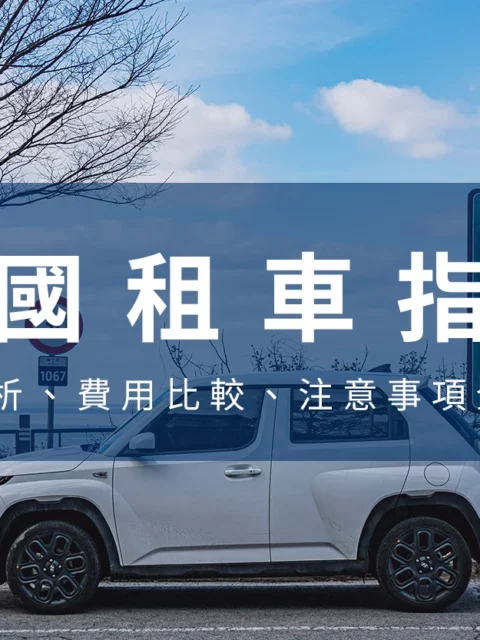


Why plan a self-guided trip to Seoul
A self-guided trip is the best way to explore this endlessly charming city! Traveling independently lets you discover every corner of South Korea’s capital and largest city at your own pace and according to your own interests, so you can soak up everything that makes Seoul unique. Whether you’re a culture lover, a food adventurer or a dedicated shopper, a self-guided trip to Seoul will give you a journey to remember.
Do you really need to do that much homework? Couldn’t you just join a tour group or rely on public transportation?
Joining a tour or relying on public transportation certainly works, but traveling independently gives you far more flexibility and freedom. With a rental car you can build your itinerary around your own interests and schedule, with no time limits and no fixed program. You’re free to explore the sights that appeal to you, dig deeper into them and stumble upon hidden gems along the way. Whether you’re traveling solo, as a couple or with friends, going independent makes the trip far more memorable.
So in this article we’ll walk through everything you need to prepare for a self-guided trip to Seoul, including visas, flights, transportation, internet access, currency exchange, electrical outlets and the weather. Whether it’s your first time in Seoul or you simply want a smoother, more comfortable trip, this information will help you plan and prepare. Read on to discover the charms of Seoul, start an unforgettable journey and get to know this fascinating city!
Getting ready for your Seoul trip
1. Visa

According to Korea’s latest announcement, from 2023. 4. 1 to 2024. 12. 31, travelers from certain countries do not need to apply for K-ETA travel authorization. Click through to VISITKOREA to check whether your country/region qualifies for the exemption.
- Taiwanese citizens traveling to South Korea are exempt from both the K-ETA travel authorization and the visa requirement, and receive a stay of up to 90 days on arrival.
- Travelers from Hong Kong, Macau, Singapore, Japan and the United States are also exempt from applying for the K-ETA!
2. Flight prices

Peak season in Seoul runs from December to March — prime ski season, and also when many stores hold their biggest sales, so airfares naturally run high. Low season falls in May–June and November, when tickets are usually cheaper. If you want to see Seoul on a budget, these are the months to consider!

Here are average round-trip fares by airline for a five-day trip during the low season, for reference:
| Airline | Tigerair | Scoot | Jin Air | Korean Air |
| Fare | NTD$5,742~6,342 | NTD$5,716~6,632 | NTD$8,669~9,019 | NTD$9,134~9,446 |
3. Comparing transportation costs

The biggest headache when traveling abroad is getting from place to place, though getting around in South Korea isn’t all that different from Taiwan.
👇👇👇 Click to read more about the perks of renting a car in Seoul and what to watch out for 👇👇👇
[Seoul Car Rental Guide] Self-drive rental tips and the secrets to exploring Seoul!
Below is a comparison table covering the features and basic costs of four different ways to get around:
| Self-drive car rental | Bus | Subway | Taxi | |
|---|---|---|---|---|
| Features | Maximum freedom; easy access to both city sights and spots outside town | An extensive route network covering the city’s main districts | A fast, efficient mass transit system | Convenient and comfortable door-to-door travel |
| Coverage | Go anywhere in South Korea, to any attraction you like | Covers the city and some outlying areas | Broad coverage across central Seoul | Available throughout the city |
| Price | gogoout five-day rental, five-seater: NT$2,500 per person | NT$30 per ride, flat fare within 10 km | High-speed rail: NT$5,000 for a five-day pass Subway: NT$30 per ride, flat fare within 10 km |
Base fare from NT$110, then charged by distance and time |
| Best for | Groups and families; you’ll need driving experience | Short hops and travel within the city | Longer distances or moving quickly around the city | Short distances or when you suddenly need a ride |
| Things to note | Be mindful of local traffic rules and road signs | Watch out for traffic jams, and you have to travel on the posted schedule | Can get crowded at rush hour, and reaching outlying sights means walking part of the way | You may need to communicate with the driver; booking through a taxi app or paying cash is recommended |
4. Internet access in Seoul

In Seoul, many public places and hotels offer free Wi-Fi. If you’re a heavy internet user, consider renting a pocket Wi-Fi device or simply buying a data SIM card!
Here’s a detailed comparison of data SIM cards and pocket Wi-Fi devices to help you pick the right option for your Seoul trip:
| Data SIM card | Pocket Wi-Fi rental | |
|---|---|---|
| Speed | May be limited by local network conditions | Stable, with higher speeds |
| Price | About 578NTD for five days | About 370NTD for five days; damage or loss incurs a compensation fee |
| Drawbacks | Speeds can fluctuate depending on real-time data usage | The device needs charging, so long sessions mean keeping a power bank attached |
| Sharing | Sharing the connection between devices slows down the speed | Can connect several devices at once, handy for groups |
| How to get it | Available at local carrier stores, the airport, or online | Book online or pick it up at the airport |
| Return | No need to return it; just recycle or throw it away once it expires | Must be returned to a designated location when the rental period ends |
5. Exchanging money for Korean won in Seoul

Currency exchange is another thing worth calculating carefully before a trip. Here are a few ways to get Korean won:
- Exchange directly at a Taiwanese bank
If you want Korean won before you leave, the most straightforward way is to exchange it at a bank in Taiwan. For a small budget, exchanging in Taiwan first works fine, but if you plan to spend a lot, exchanging in Korea is better value! - Exchange for US dollars first, then change them into won in Korea
Another common approach is to change New Taiwan dollars into US dollars first and then exchange the US dollars for won in Korea. The US dollar gets a better rate in Korea, and remember that bringing US$100 bills to the exchange counter gets you an even better rate. - Bring New Taiwan dollars and exchange them at a money changer in Korea
In Seoul, places like Yilpoonghyang, Daeshin, Embassy, and CURRENCY EXCHANGE 24h are money changers travelers often use and offer decent rates. You can head to any of these after arriving in Seoul — it’s a common and recommended approach!
Besides cash, credit cards are widely accepted in Korea, but be sure to use a card with overseas cashback so the rewards offset the foreign transaction fee — otherwise you’re just losing money.
(If you get to choose the currency, pay in Korean won or US dollars; same reasoning, since the New Taiwan dollar rate is always worse.)
6. Voltage in Seoul

Korea runs on 220V with two-pin round plugs, while Taiwan uses 110 volts and Japan 100 volts. That means you’ll need to bring an adapter or plug converter to charge and use your electronics.
7. Seoul weather
Korea’s climate varies a lot by season. Spring (March to May) and autumn (September to November) are mild and pleasant, making them the best times to visit;
summer (June to August) is hot and humid, with average temperatures around 29–30°C, while winter (December to February) is long, dry, and cold, with possible snow and average temperatures below zero.

首爾2023氣溫平均表 Source: © WeatherSpark.com)The rainy season starts in late June and ends in September, with the heaviest rainfall in July and August. And yes, Korea gets typhoons too!

首爾2023雨量平均表 Source: © WeatherSpark.com)
Here’s a table to reference before you set off:
| Season and months | Seasonal climate | Local average temperature | Suggested clothing |
|---|---|---|---|
| Spring | March to May | About 10°C to 20°C | A light jacket, long-sleeve tops, long pants — spring-weight clothing |
| Summer | June to August | About 20°C to 30°C | Short-sleeve tops, shorts, lightweight long skirts, easy-to-wear sandals |
| Autumn | September to November | About 10°C to 20°C | Long-sleeve tops, long pants, a light jacket, sneakers or casual shoes |
| Winter | December to February | About -10°C to 5°C | Heavy coat, sweater, long pants, thick socks, warm hat and gloves |

Popular Seoul attractions
1. Gyeongbokgung Palace and Gwanghwamun Gate
Gyeongbokgung is one of Korea’s five most important palaces, with a long history and traditional architecture. Visitors can admire the grandeur and fine details of classic palace buildings. And if you show up wearing hanbok, admission is free!

Gwanghwamun is the main gate of Gyeongbokgung and one of Korea’s best-known landmarks! Visitors can explore the palace buildings, gardens and museums to learn about Korean history and culture. You can also watch the traditional royal guard-changing ceremony and performances for a taste of old court culture. (This is also one of the filming locations for the K-drama Goblin.)

The traditional royal guard-changing ceremony:

2. N Seoul Tower and Namsan Park
N Seoul Tower is the city’s signature landmark, sitting atop Namsan with sweeping panoramic views. Visitors can ride the cable car up the mountain, enjoy the scenery along the way and take in the view of Seoul from the observation deck. You can also leave a love lock with your special someone and make a new memory together!

Namsan Park is the green space surrounding N Seoul Tower, a great place to relax and unwind. Stroll, picnic, or enjoy cherry blossoms in spring and maple leaves in fall where nature meets the city. There’s even a zoo and a botanical garden, enough to fill a whole afternoon!

3. Hongdae and Myeongdong shopping districts
The Hongdae area surrounds Hongik University and is a gathering spot for young people and artists. You’ll find plenty of trendy shops, cafés, restaurants and art galleries, with youthful energy and street fashion all around — it has become a fun neighborhood for browsing and hanging out.

Myeongdong is one of Seoul’s busiest shopping districts, comparable to Ximending in Taipei or Shinjuku in Tokyo, packed with shops, boutiques, restaurants and street-food stalls. It’s a paradise for shoppers and a great place to sample traditional Korean food and culture.

4. Ewha Womans University and Kyung Hee University
Ewha Womans University is one of Korea’s most famous private women’s universities, with a beautiful campus and a rich academic atmosphere. Visitors can wander the grounds, admire the architecture and gardens, and soak up the energy of student life. The shopping area around Ewha is another great spot to browse, and prices may even be lower than in Myeongdong!

Kyung Hee University is another well-known school, with a modern campus and facilities. Visitors can tour the grounds, admire the Gothic-style buildings and experience the atmosphere of a Korean university.

5. Bukchon and Eunpyeong Hanok Villages
Bukchon sits in Seoul’s Jongno district and is a traditional Korean village that preserves old hanok architecture and atmosphere. Visitors can stroll the lanes, admire the traditional houses and get a feel for traditional culture and daily life. Just be sure to wear comfortable shoes — the hills here are no joke!

Eunpyeong Hanok Village is a newer traditional Korean village where you’ll find plenty of hanok, craft shops and cultural exhibitions. It’s a great place to try traditional Korean crafts and join cultural activities.

Must-try food in Seoul
1. Korean BBQ and fried chicken
Korean BBQ is one of Seoul’s most popular meals. You grill the meat yourself at the table, sampling Korean-style beef, pork or chicken paired with a variety of sauces and side dishes.

Fried chicken is another Korean favorite, famous for its crispy coating and wide range of flavored seasonings.

2. Jajangmyeon and jjamppong
Jajangmyeon is a noodle dish built on a rich black bean sauce, served with pork and vegetables for a deep, hearty flavor.

Jjamppong is a spicy seafood noodle soup, typically loaded with seafood, vegetables and chili paste for a savory, fiery kick.

3. Tteokbokki, fish cakes and blood sausage
Tteokbokki is stir-fried rice cake in a chili paste sauce, usually eaten together with fish cakes and sundae (blood sausage). These snacks are full of flavor and the aroma of gochujang, making them a hit with locals and visitors alike.

4. Egg Drop and ISAAC Toast
Egg Drop and ISAAC Toast are two well-known breakfast chains specializing in creative toasted sandwiches. You can pick from different flavors and fillings, such as fried egg, cheese and bacon, for a tasty start to the day.

5. Soy sauce marinated crab and potato soup
Ganjang gejang is a traditional Korean seafood dish of raw crab soaked in a special soy-based marinade, rich and full of flavor.

Gamjatang is a soup made mainly with pork and potatoes in a spicy broth, a favorite among anyone who loves heat.
Things to do in Seoul
1. Korean sauna
A Korean sauna, or jjimjilbang, is a traditional bathhouse experience. You can enjoy steam rooms and soaking pools at different temperatures to relax body and mind, while getting a glimpse of everyday Korean life.

2. Go-karting
Go-karts are small racing cars that let you feel real speed and the thrill of driving. In Seoul you’ll find both indoor and outdoor tracks where you can rent a kart and enjoy some racing fun with friends or family.

3. Hanbok experience
Hanbok is Korea’s traditional dress, and there are plenty of places in Seoul where you can try one on, such as the old palaces and folk experience villages. Take photos in a gorgeous hanbok and soak up the elegant atmosphere of the Joseon era.

4. Nanta and Bibap shows
Nanta is a one-of-a-kind non-verbal theater performance that blends music, dance, percussion and comedy, and audiences love it.
Bibap, meanwhile, is a show that combines traditional Korean food with music and dance. Watching these performances gives you a feel for Korea’s distinctive performing arts and entertainment culture.
5. Korean salons and photo shoots
Korean salons offer traditional Korean beauty and skincare services. Here you can try facial treatments, massages and beauty therapies with a local twist, and experience the essence of Korean beauty culture.

You can also book a photo shoot at one of Seoul’s professional studios to capture your trip for good and take home some wonderful memories.
What to buy in Seoul
1. Makeup and skincare
Korea is famous for its high-quality makeup and skincare products, and there are plenty of well-known brands worth trying. So when you’re in Korea and the exchange rate and prices work in your favor, don’t miss the chance to stock up!

2. Household goods
Seoul’s household goods scene offers all kinds of practical items with a Korean flavor. If you like cute stationery and character merchandise, head to the “ARTBOX” stores for fun finds. Seoul’s traditional markets are also great places to hunt for affordable everyday items, such as Dongdaemun Market and Namdaemun Market.

3. Korean instant noodles
Korea is known for its delicious instant noodles, one of the most popular souvenirs for visitors to Seoul. Nongshim and Samyang are two famous Korean instant noodle brands, loved for their spicy kick and wide range of flavors. You’ll find them in supermarkets, convenience stores and traditional Korean markets.

4. Snacks and drinks
Korea has no shortage of tasty snacks. Korean seaweed is a classic, and viral treats like Turtle Chips are worth grabbing several packs of while you’re there — plus you can pick up the newest flavors locally!
Binggrae Banana Milk is the national drink you have to try in Korea. Its chubby yogurt-drink-style bottle is instantly recognizable, and although it’s now sold in Taiwan too, buying it locally is definitely the best value!

All in all, an independent trip to Seoul is a journey full of charm and surprises. This city blends tradition with modernity, culture with cuisine, and it’s absolutely worth exploring. Whether it’s your first visit or a return trip, Seoul always has something new to move and delight you. Start planning your Seoul trip now and let’s explore this beautiful city together!
We hope this article helps you plan a fantastic independent trip to Seoul. Have a wonderful journey, and come home with great memories!
Read more articles about traveling in Korea:
👉[Korea Car Rental Guide] The best way to unlock 100% freedom
👉[Seoul Car Rental Guide] Self-drive rental picks and the secrets to touring Seoul!
👉[Jeju Island Car Rental Picks] The best way to explore Jeju’s food, sights and independent travel!
👉[Jeju Island Independent Travel] Attractions, food picks, transportation guide and a 4-day, 3-night itinerary all in one!
Not sure how to rent a car in Korea? Then head straight to gogoout
Worried about spending hours researching Korea’s car rental rules, unclear vehicle details, vague insurance terms or a language barrier with customer service that keeps you from deciding which rental company to book with?
This article was translated by AI from the original Chinese version.