
Getting a child to settle happily into a car seat is often a nightmare for parents: there’s crying, there’s resistance, and every outing turns into a struggle. Yet car seats are hugely important, cutting the risk of death in a traffic accident by 75% for infants and by more than 50% for toddlers and school-age children. Today gogoout shows you how to tackle the problem at its root, so your little one can ride comfortably in the car seat without the tears.
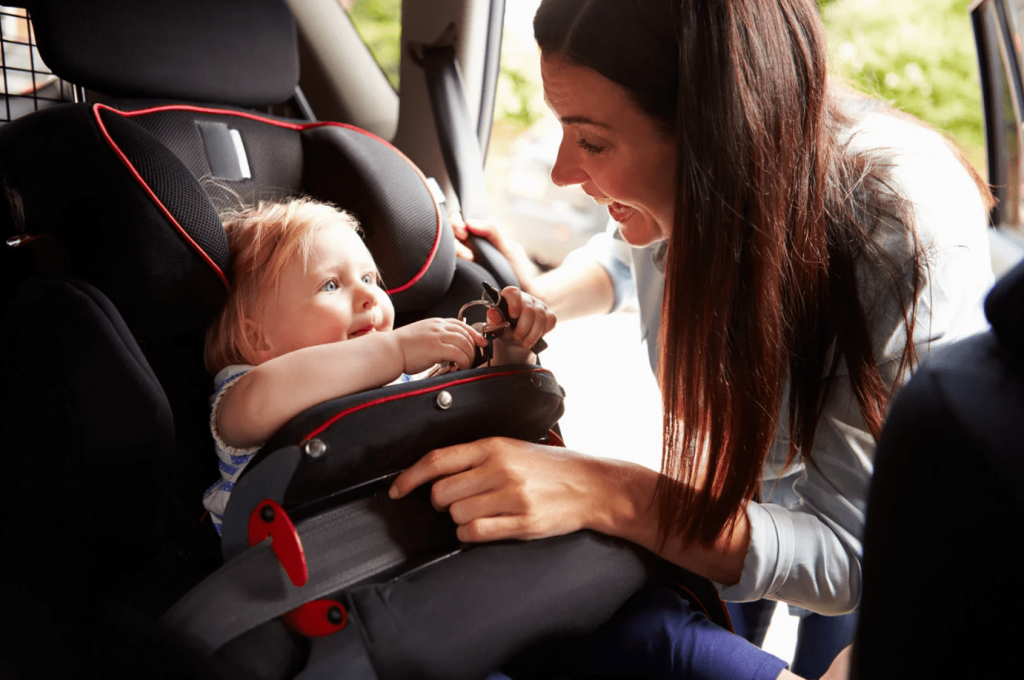
Why do babies hate car seats?
They feel restricted and the harness is uncomfortable
Babies are used to being held by mom and dad, so being suddenly placed in an unfamiliar space that feels nothing like a parent’s arms, and strapped in by a harness on top of that, means losing their freedom and sense of security all at once. It’s only natural that they resist and start to cry.
Boundless curiosity
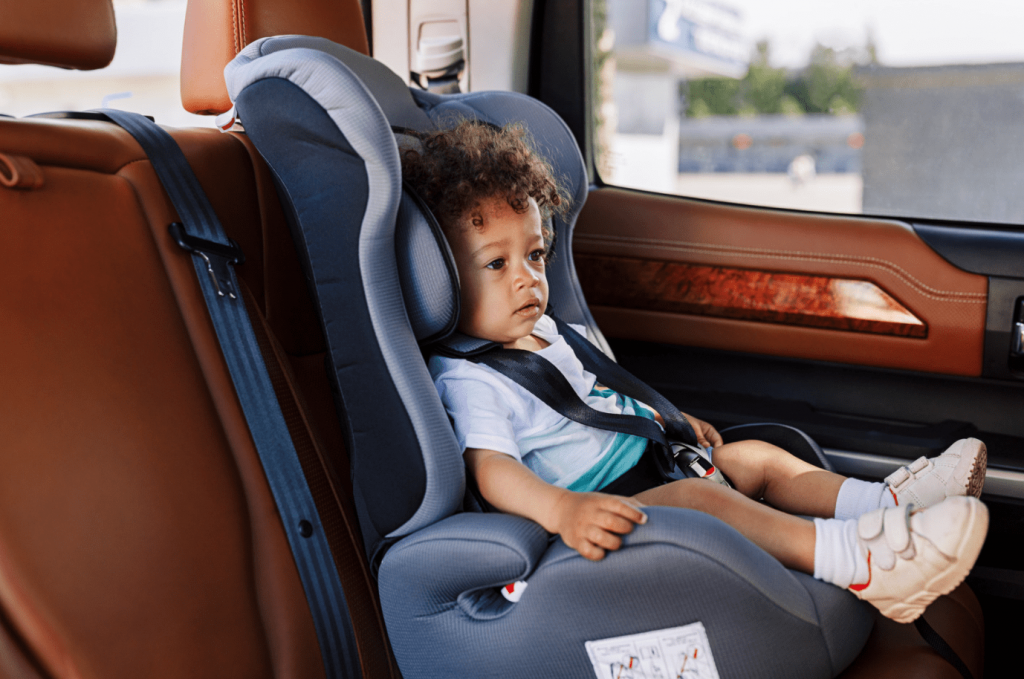
The scenery outside the window keeps changing, and apart from sitting still being utterly boring, everything inside the car looks fascinating. Why is the person next to me eating? Why is so much stuff moving? Why are mom and dad up front while I’m back here? With curiosity running high, those restless little hands and feet go to work, because how could a baby understand that the thing “imprisoning” them is actually what keeps them safe?

Separation anxiety and wanting to cling to an adult
Why aren’t mom and dad up front paying attention to me? Why aren’t they watching me every second? For a little one who is used to being the star of the household, it feels like falling out of favor. So from around six months old, babies in this attachment stage become uneasy and cry because they can’t freely seek comfort from an adult.

How to use and choose a car seat: pick by weight and age
Under 2 years old or under 10 kg
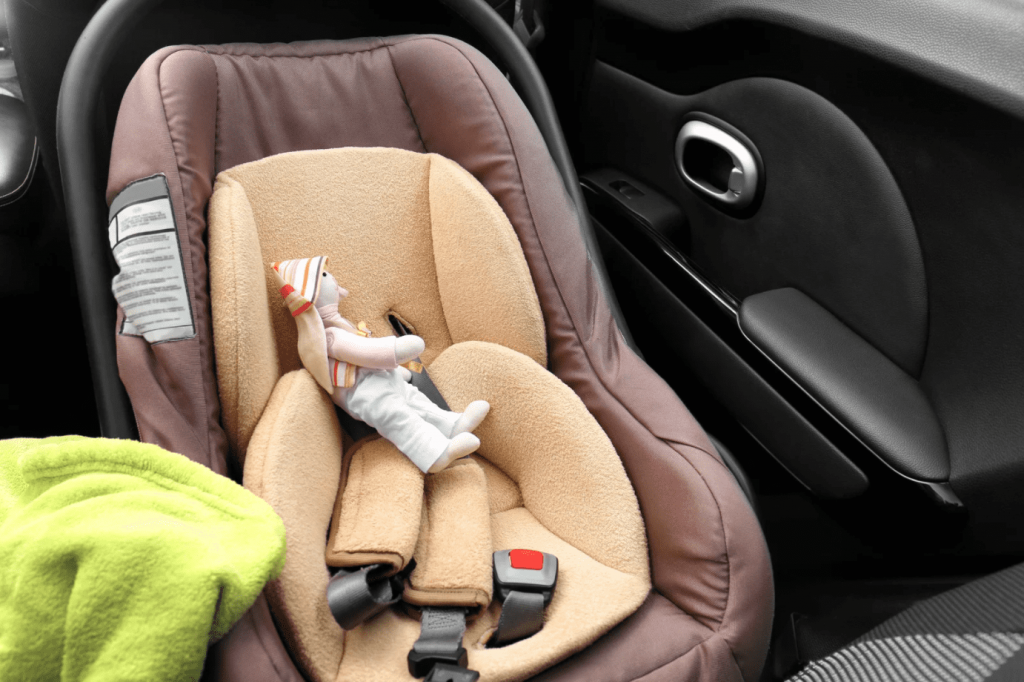
Use a portable infant carrycot or a rear-facing car seat. In a crash, children aged 0 to 2 have necks that aren’t fully developed, and whiplash causes violent shaking that can lead to a broken neck, brain injury or death. A rear-facing seat reduces the impact force on the neck by 73% compared with a forward-facing one, lowering the risk by 75%. Taiwan’s Ministry of Transportation and Communications has therefore announced an amendment to the regulations on carrying young children safely in passenger cars, extending the requirement for rear-facing seats from children under 1 year old or under 10 kg to all children under 2. In fact, Sweden already extended the age for rear-facing seats to 4 years back in the 1960s, so there’s no need to stop at age 2: parents can judge for themselves and keep their child rear-facing as long as possible. Always use a seat with a safety certification label, and never use a seat that has already been in a crash.
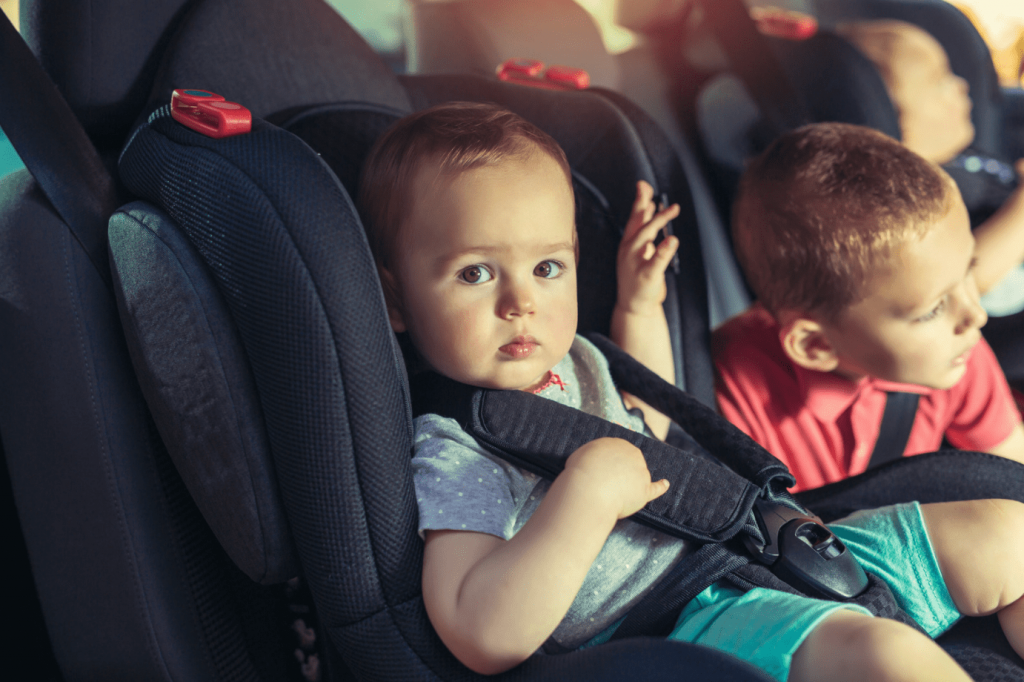
Ages 2 to under 4, or under 18 kg
A car seat should be used, and a rear-facing seat is the first choice. The seat must never go in the front, and the safest spot is behind the driver.
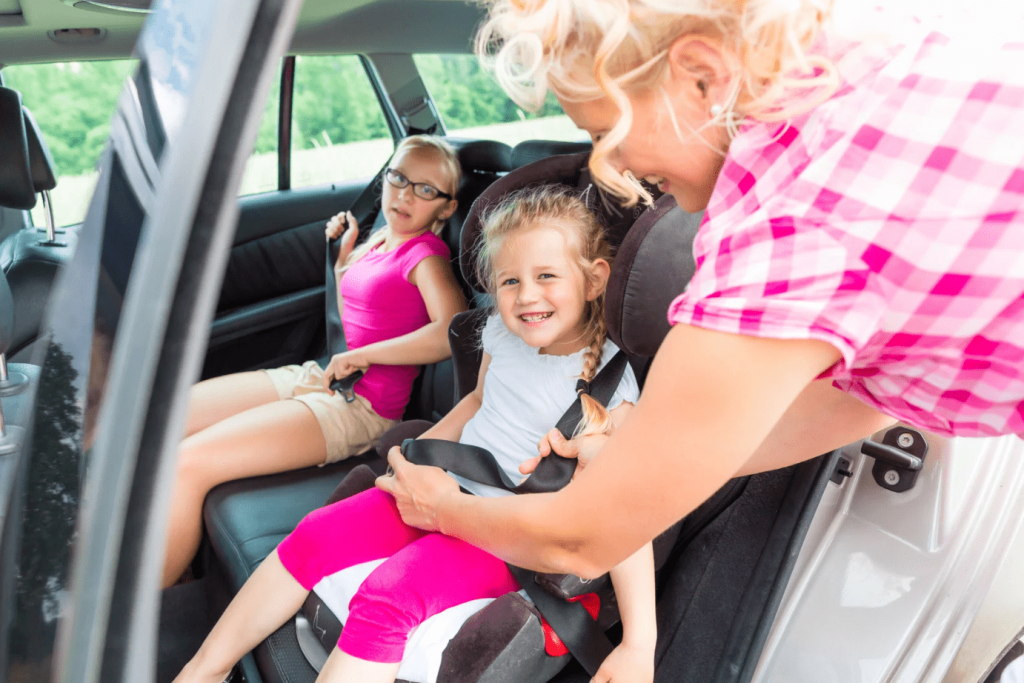
Ages 4 to 12
A car seat isn’t legally required at this age, but until children can use an adult seat belt safely, a car seat or booster is still recommended. Take off bulky jackets before buckling up, and leave about one finger’s width between the belt and the chest.
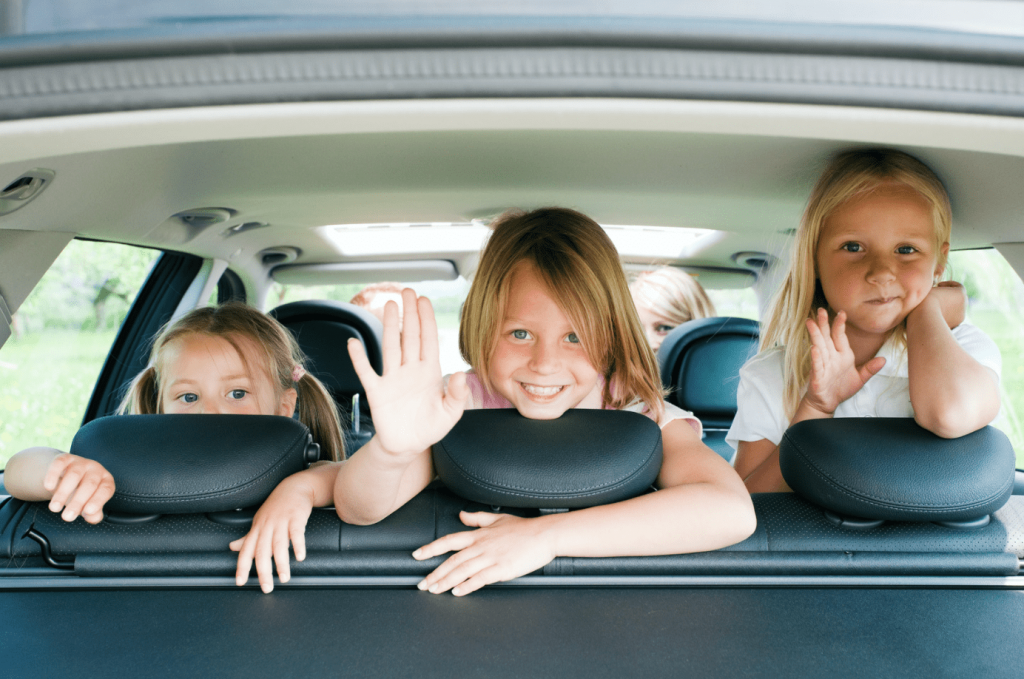
How to install a car seat
Taiwan’s Health Promotion Administration offers four simple reminders to help new parents get it right.
“Back”: install it only in the back seat, and choose a rear-facing seat
Never put your baby in the front passenger seat just so you can keep an eye on them up close. That clearly puts your baby in danger.
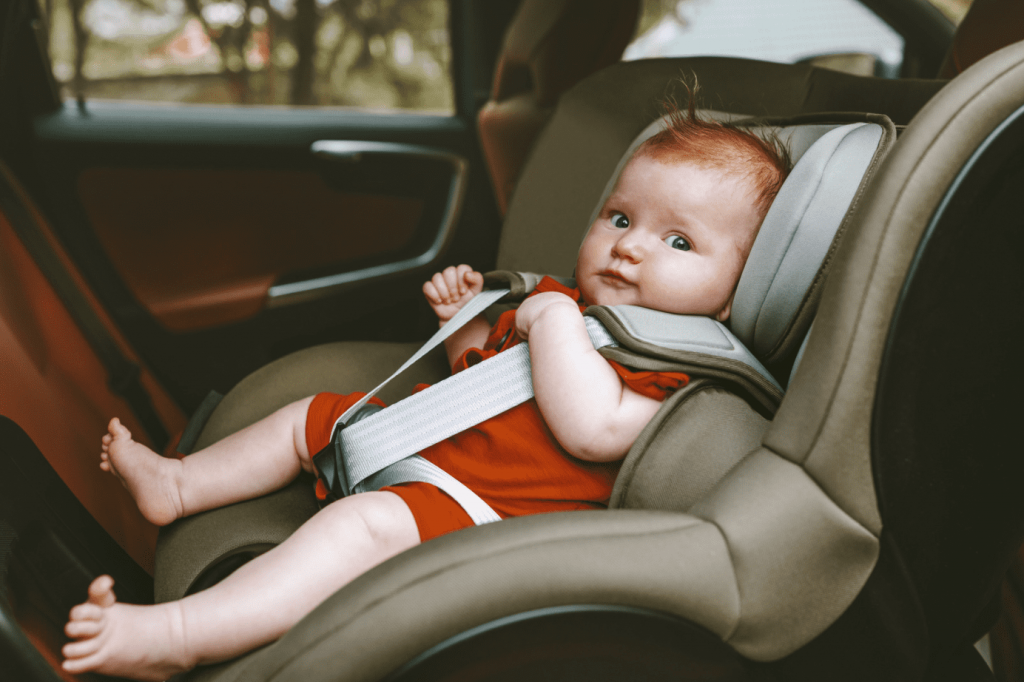
“Instructions”: install the car seat following the manufacturer’s instructions
Buy a car seat from a reputable brand that comes with certification and a warranty. Your baby’s safety comes first, so this is not the place to look for a bargain.
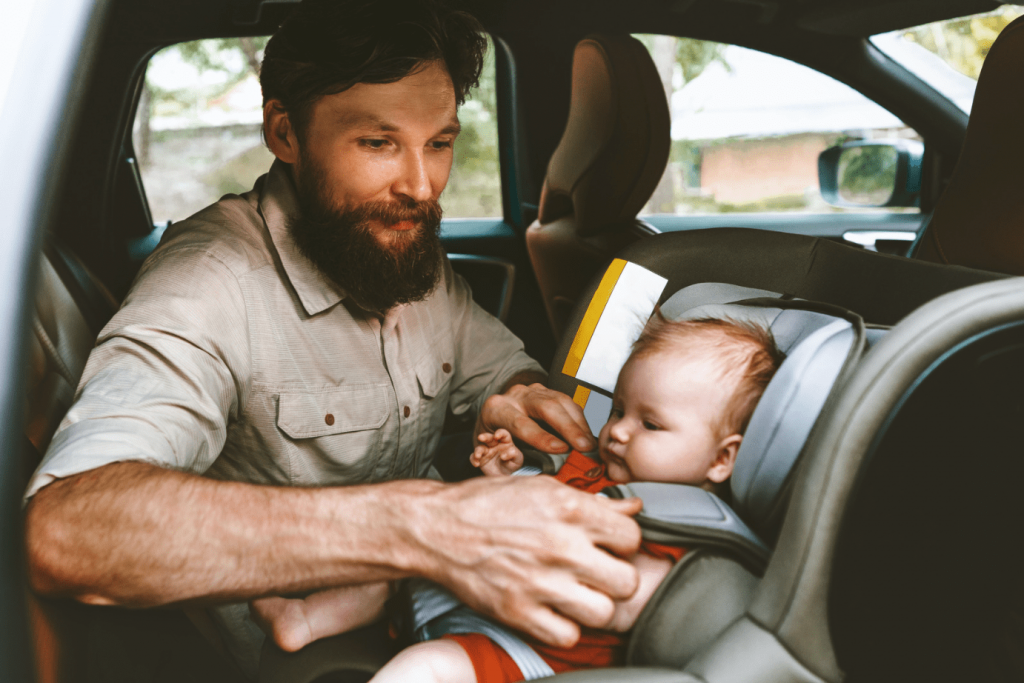
“Firm”: after installing, make sure the seat is firmly in place and doesn’t wobble
Once you’ve installed the car seat, check again and again that it’s solid and secure. You can also take a test drive, because discovering something is wrong only after your baby is strapped in is far too late.
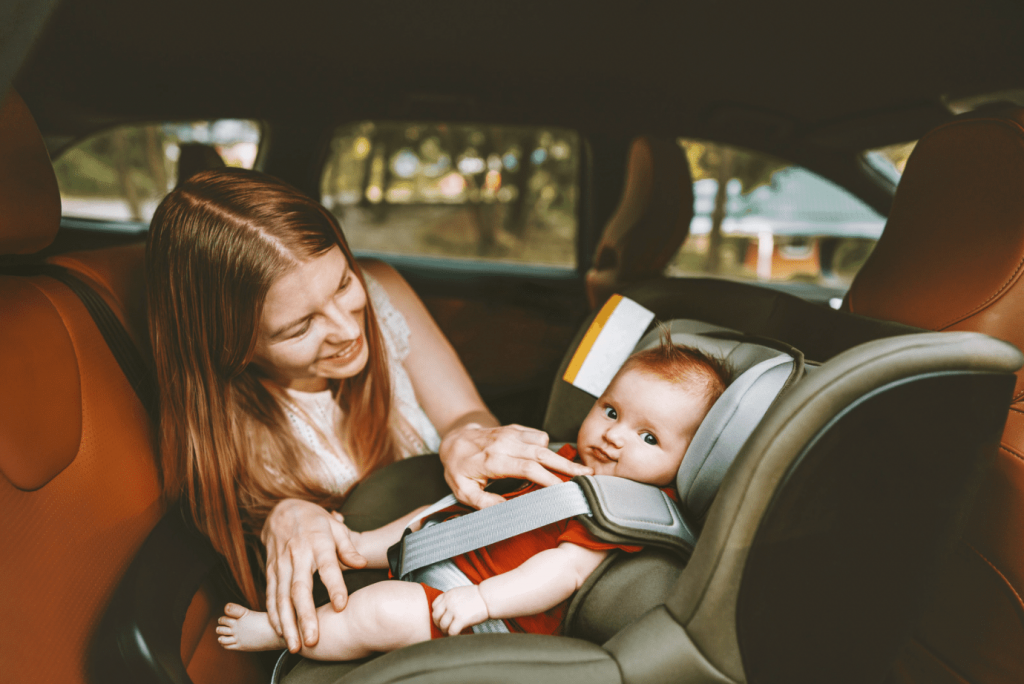
“Finger”: make sure the harness is snug with about one finger’s width of slack
If your baby is wearing a jacket, take it off once you’re in the car. Otherwise the harness over the padding can end up pressing on the airway, and because the back seat is hard to watch closely, you might think your little one is simply asleep.

What to watch out for with car seats when you rent a car
Seat options
Most rental companies only offer convertible child seats as an add-on (suitable for ages 1 to 8), so if your child is under 1 year old, you’ll need to bring your own infant carrier seat.
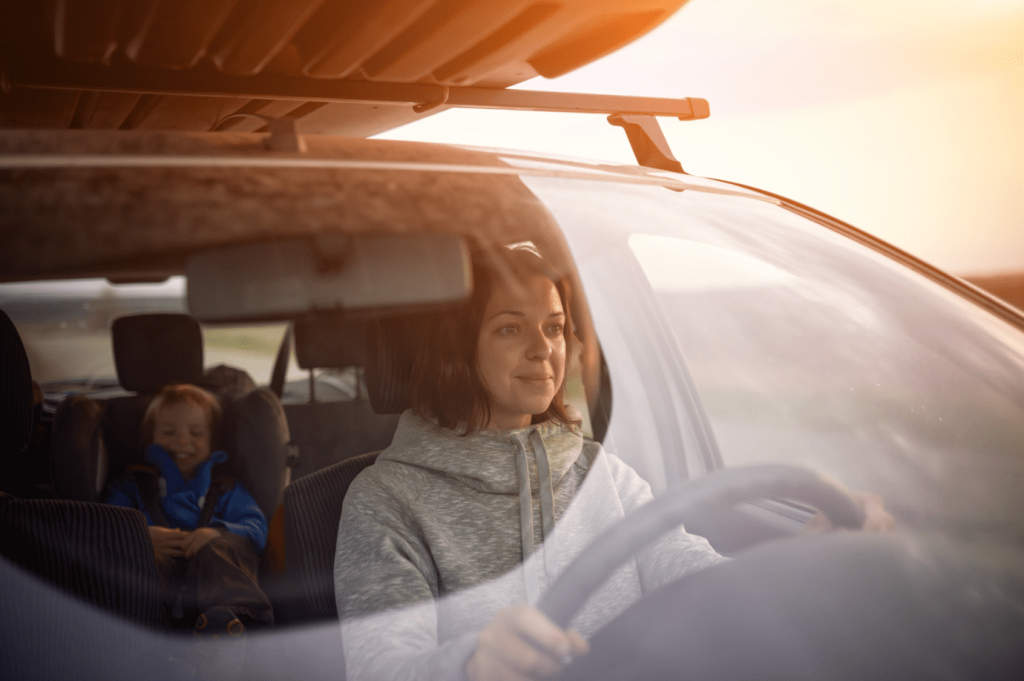
Book in advance
Each branch usually keeps at most three child seats on hand, so be sure to reserve one for your little one when you book the car. In peak season there will definitely be none left to hand out on the spot.
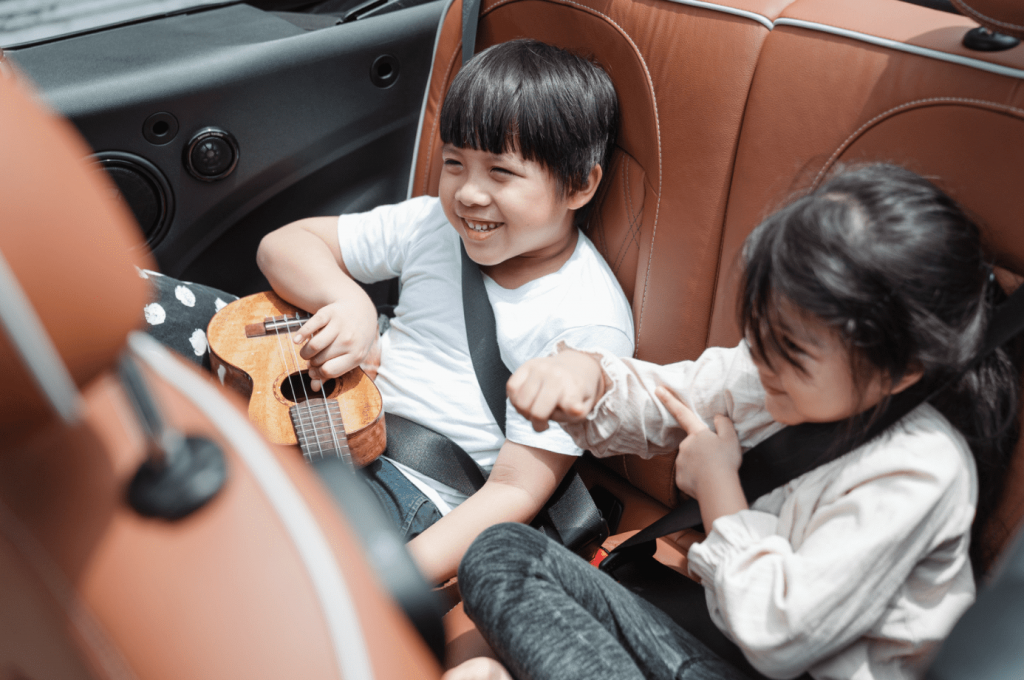
How can you get your baby to sit happily in the car seat?
Podcasts and music
Try playing storytelling podcasts in the car. Our picks are “MOM&DAD” and “Once Upon a Time with Auntie Fairy Tale,” both easy to find on the major podcast platforms. The storytelling is lively and expressive, and both grown-ups and kids can enjoy it.

Talk to your baby
Talk to your baby as much as you can, just like you would at home; there’s simply a bit more distance and a harness in the way. It eases their frustration and takes their mind off being strapped in.
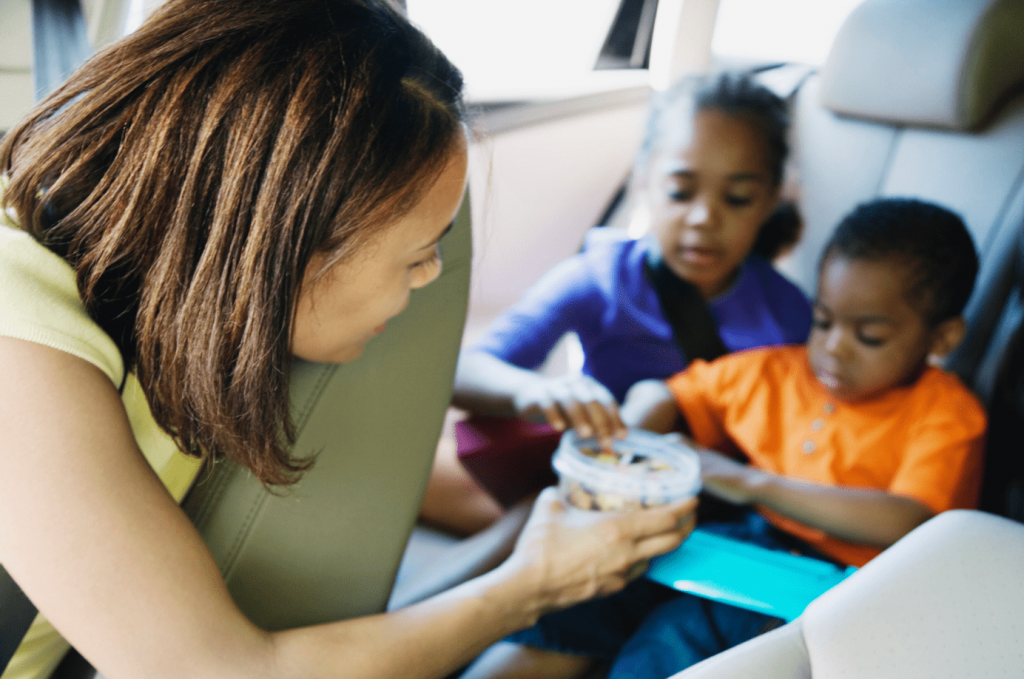
Toys
Bring along your child’s favorite toys to hold their attention, and try to choose toys without sharp corners so bumps in the road don’t cause injuries.
One thing you should never let kids do
Parents will try anything to keep a child quiet in the car, but don’t hand over a phone or tablet to watch. It can lead to vision problems, motion sickness and bad habits, so don’t trade a moment of peace for problems with your child’s upbringing later on.
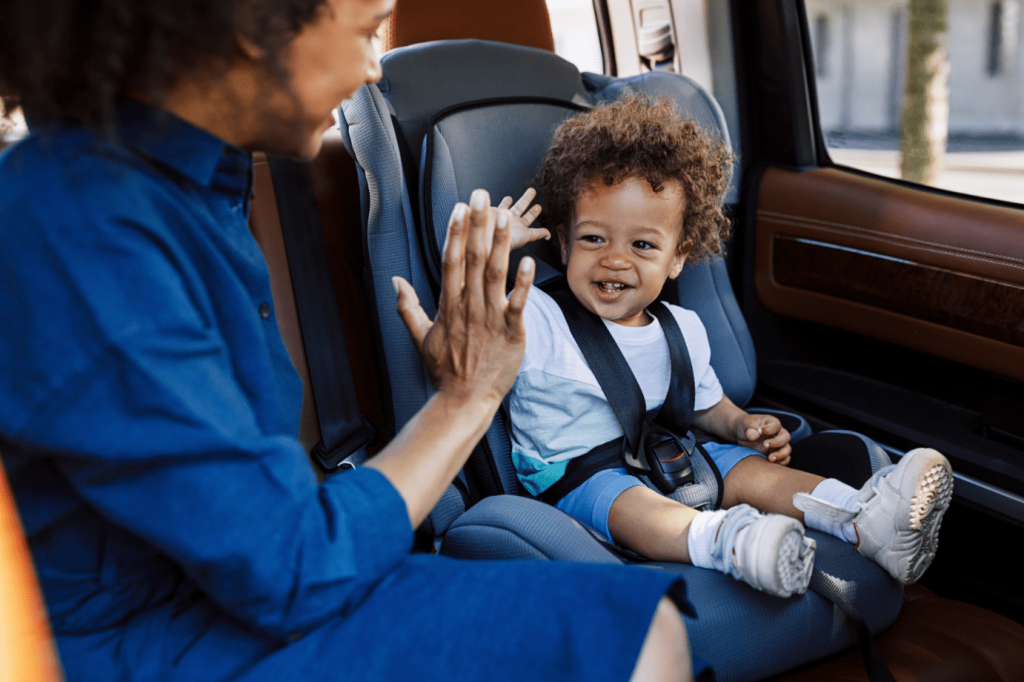
There are plenty of details to get right with car seats, but nothing matters more than a child growing up happy and healthy. Watching your kids head out happily and come home safely is surely every parent’s greatest wish. We hope today’s car seat rundown helps all the parents who struggle with car rides, and we salute moms and dads everywhere. You’re doing great work!
This article was translated by AI from the original Chinese version.