

Getting to Xiaoliuqiu
Right now, the only way to reach Xiaoliuqiu is by boat from Donggang in Pingtung.
So how do you get to Donggang?
[High-speed rail or train]
Take the high-speed rail to Zuoying Station in Kaohsiung, then the bus [9127 Kaohsiung > Dapeng Bay (Provincial Highway 88)] to Donggang, where you board the ferry to Xiaoliuqiu.
[By train]
Take the train to Kaohsiung Railway Station, transfer to a bus to Donggang, then take the ferry to Xiaoliuqiu.
[By bus]
From Kaohsiung: across from the Kaohsiung Vision Hall, board Kuo-Kuang Bus, Chungnan Bus, Kaohsiung Bus or Pingtung Bus on the routes [9117 Kaohsiung > Kenting (Provincial Highway 17) or 9127 Kaohsiung > Dapeng Bay (Provincial Highway 88)], get off at the Donggang stop, then walk to Donggang Pier to catch the ferry.
From Pingtung: at the Pingtung Bus main terminal next to Pingtung Railway Station, board Pingtung Bus on the routes [8202 Pingtung > Donggang or 8203 Pingtung > Donggang], get off at the Donggang stop, then walk to Donggang Pier to catch the ferry.
[By car]
If you drive yourself, scooters and bicycles can be carried over to Xiaoliuqiu on the ferry, but cars have to be left in one of the parking lots around Donggang.
[Heading south] Visitors from northern and central-southern Taiwan can take National Freeway 1 south and follow the signs toward Donggang to reach Donggang Pier.
[Heading north] Follow Provincial Highway 17 to Linbian and Donggang, then continue to Donggang Pier and take the ferry to Xiaoliuqiu.
Xiaoliuqiu ferry ports
Everyone heading to Xiaoliuqiu first has to get to Donggang Port on Taiwan’s main island to board a ferry, and there are two types: public ferries and private ferries.
Fares run roughly NT$200 to NT$300 depending on the operator.
There are fixed departures every day (extra sailings are added on holidays depending on crowds), and the ride takes about 25 minutes.
Private ferries dock at Baishawei Port, while public ferries dock at Dafu Fishing Port.
| Public ferry | |
| Donggang → Xiaoliuqiu | Xiaoliuqiu → Donggang |
| 08:00 | 07:00 |
| 11:00 | 09:30 |
| 16:40 | 15:00 |
| 18:45 | 18:00 |
| Private ferry | |
| Donggang → Xiaoliuqiu | Xiaoliuqiu → Donggang |
| 07:00 (Dong-Liu) | 07:40 (Dong-Liu) |
| 07:30 (Tai-Fu) | 08:00 (Tai-Fu) |
| 08:00 (Dong-Liu) | 09:00 (Dong-Liu) |
| 09:00 (Dong-Liu & Tai-Fu) | 10:00 (Tai-Fu) |
| 10:10 (Dong-Liu – extra sailing) | 10:30 (Dong-Liu) |
| 10:30 (Tai-Fu) | 11:30 (Tai-Fu) |
| 10:45 (Dong-Liu) | 12:00 (Dong-Liu) |
| 11:45 (Dong-Liu – extra sailing) | 13:00 (Dong-Liu – extra sailing & Tai-Fu) |
| 12:00 (Tai-Fu) | 14:00 (Dong-Liu) |
| 12:36 (Dong-Liu) | 14:30 (Tai-Fu) |
| 13:30 (Tai-Fu) | 15:00 (Dong-Liu) |
| 14:00 (Dong-Liu) | 16:30 (Dong-Liu – extra sailing) |
| 15:30 (Dong-Liu & Tai-Fu) | 16:30 (Tai-Fu; Dong-Liu – stops at Yanpu Village) |
| 17:00 (Dong-Liu & Tai-Fu) | 17:00 (Dong-Liu & Tai-Fu) |
| 17:30 (Dong-Liu & Tai-Fu) |
Recommended Xiaoliuqiu attractions: a counterclockwise loop around the island
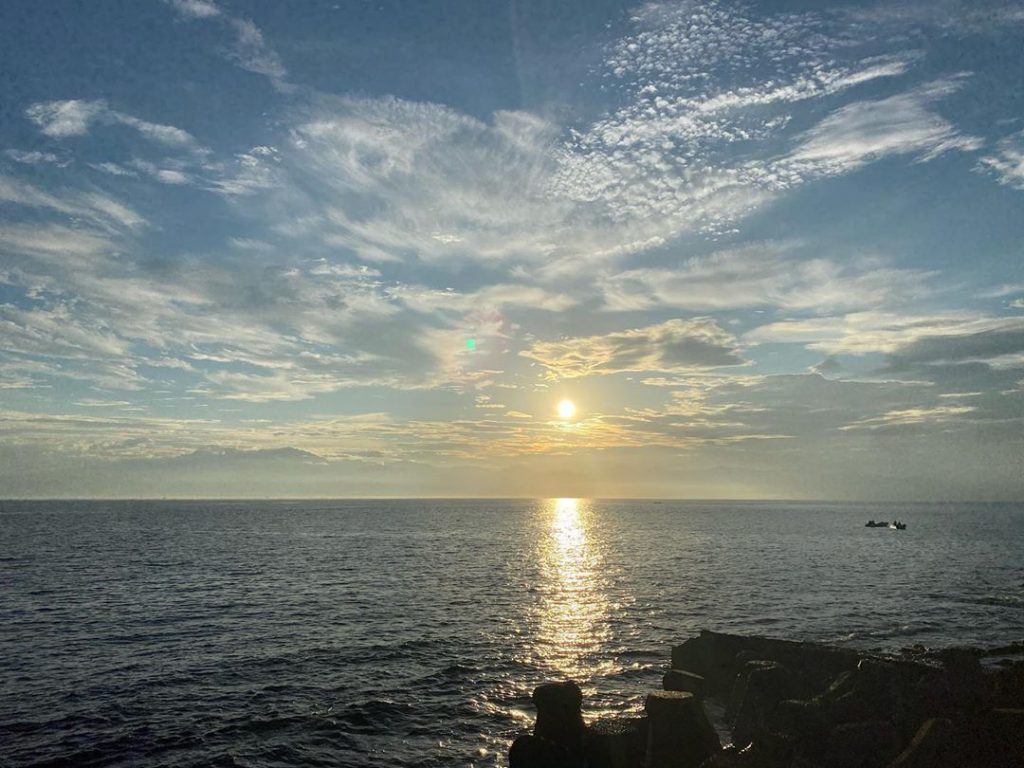
📍Xuri Pavilion
This spot was once a landfill. As environmental awareness grew in Taiwan, the township office carried out a cleanup of the landfills along the Liuqiu coast, and after the whole area was rehabilitated to match the character of the island’s coastal scenery, the Liuqiu shoreline took on a fresh new look.
📍Lobster Cave
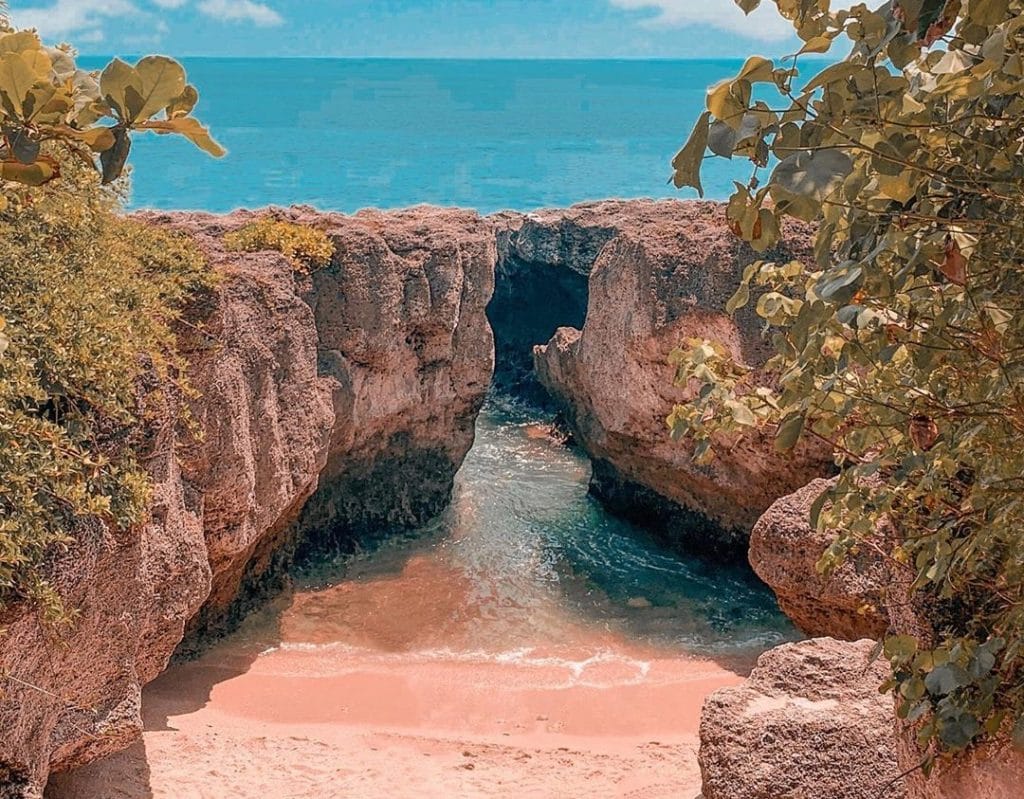
Lobster Cave, in the northeast of Liuqiu, is dotted with potholes and sea-eroded trenches. The potholes are round at the mouth, and their bottoms have been smoothed flat by dissolution and re-deposition, which makes them different from potholes elsewhere.
📍Vase Rock
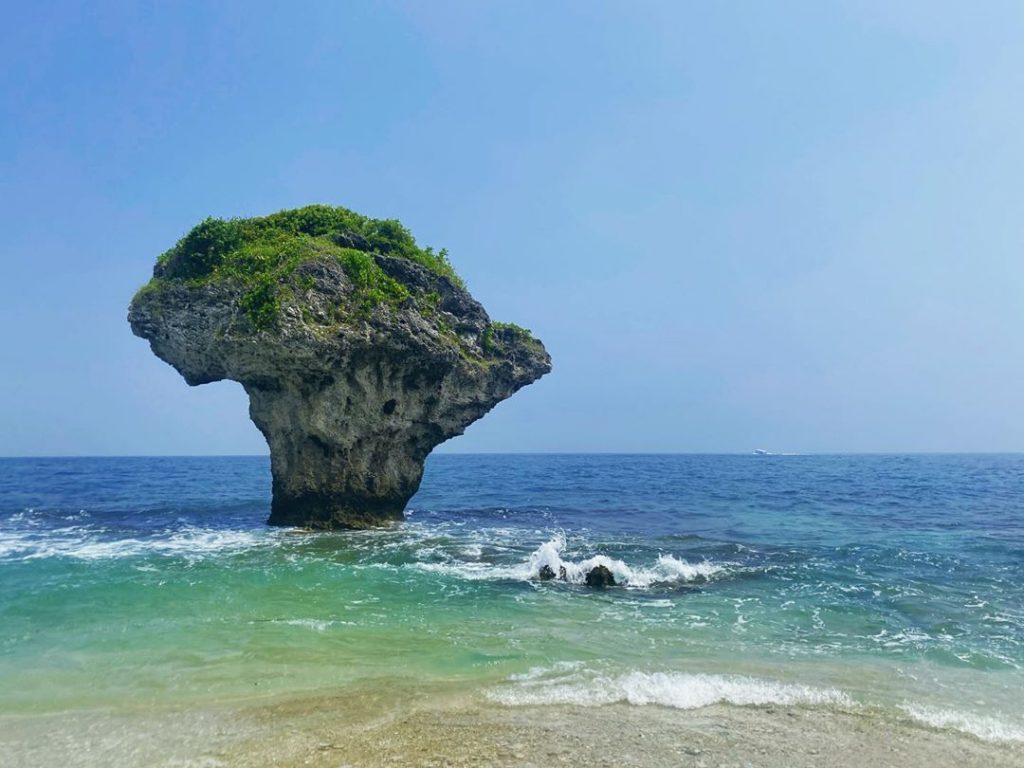
Vase Rock is one of Xiaoliuqiu’s most famous landmarks. It was formed when the coastal coral reef was pushed up by crustal uplift, and its neck was then worn away by long-term seawater erosion, leaving a distinctive shape that is wide on top and narrow at the bottom, much like a vase. With plants growing thickly over the top of the rock, it looks just like a vase filled with flowers and grasses, which is how it got the name “Vase Rock.”
📍Beauty Cave Scenic Area
Beauty Cave is one of Xiaoliuqiu’s scenic areas, developed by the township office in 1975 as a public enterprise project. The cave sits on the northwest corner of the island, with hills to the north and the sea in front, lined with strange rock formations and lush with flowers and grasses. Outside the cave stretches a boundless expanse of blue waves. Standing there, listening quietly to the sound of the surf and gazing up at the curious rocks, you can’t help but feel your spirits lift.
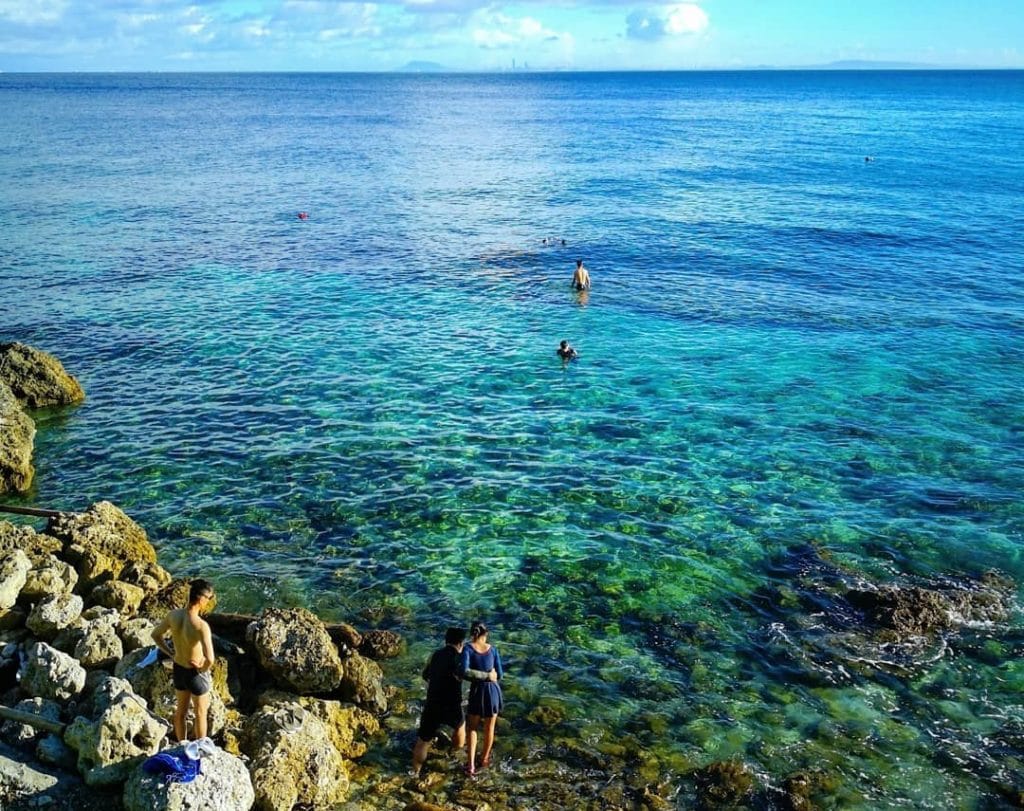
📍Duzaiping Intertidal Zone
The Duozaiping intertidal zone lies on the northwest side of Xiaoliuqiu, just south of the campground, about 300 meters apart. The intertidal platform is gently sloping, with broad wave-cut reef platforms and sandy beaches, and it supports an extremely rich variety of bottom-dwelling life: coral colonies in the shallows, shellfish, and countless fish, shellfish, sea urchins, sea hares, brittle stars, all kinds of hermit crabs, burrowing urchins, turtle grass and other intertidal species in the tide pools.
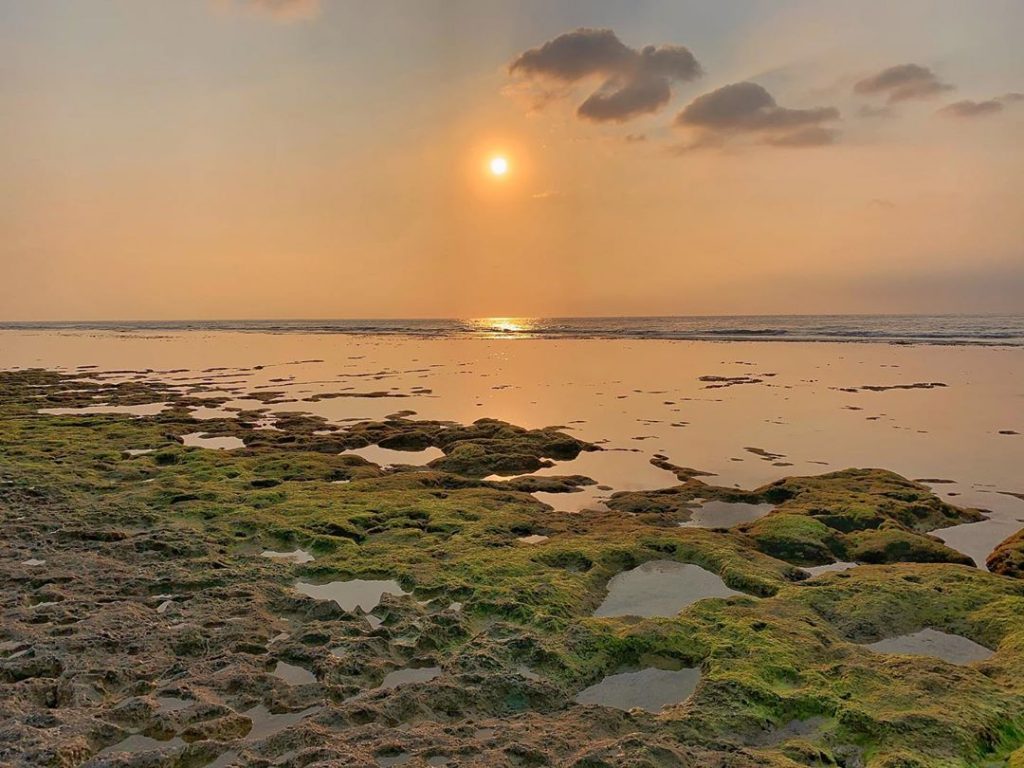
📍Shanfu Fishing Port
Shanfu Fishing Port is on the west side of Xiaoliuqiu, with varied and well-preserved sea-erosion landforms including sea stacks, notched cliffs and potholes, plus distinctive scenery and beautiful ocean views. In summer you’ll see kids running along the embankment and splashing in the water on the beach, a simple, carefree scene.
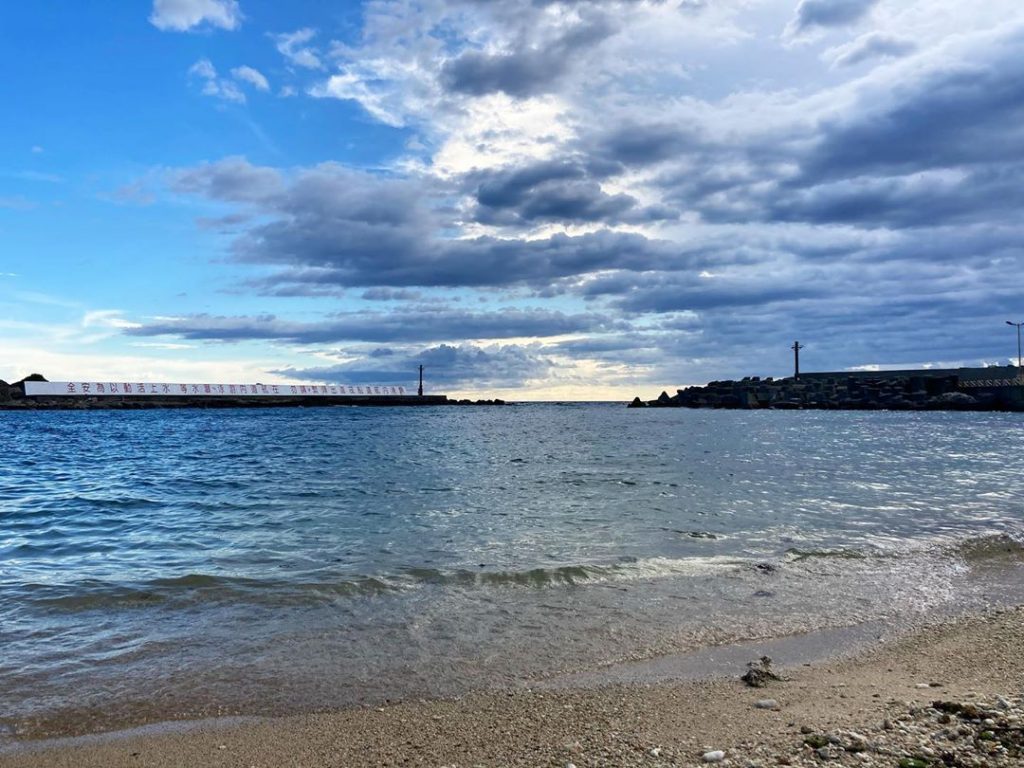
📍Wild Boar Trench
Wild Boar Trench lies at the upper left end of Shanbanao Bay and connects through to Black Dwarf Cave. The trench was formed by a cliff collapse, with jagged, craggy rocks rising and falling in a rugged, dramatic landscape. The cliffs drop several stories, and a winding path leads about 400 meters deep into the quiet. The valley is covered with brambles, moss and vines, thick with flowers and plants, and still retains its primeval feel.
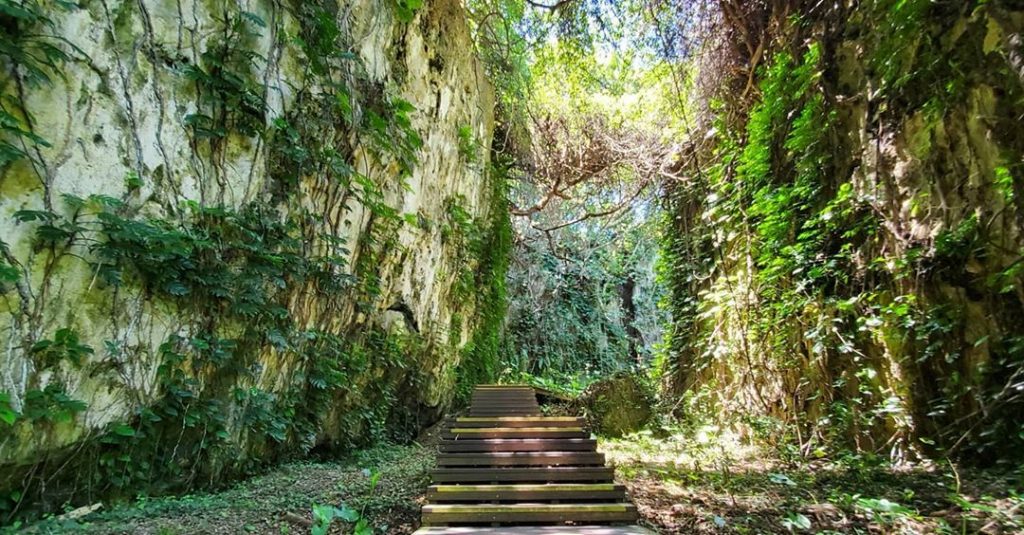
📍Geban Bay | Venice Beach
Geban Bay is also known as Venice Beach. Xiaoliuqiu’s coastline is mostly coral reef, with only a few sandy stretches, and the largest of them is Geban Beach on the west side between Geban and Black Dwarf Cave. Geban Beach is a shell-sand beach roughly 100 meters long, where you can get up close to the ocean.
What’s more, because Geban Beach faces the ocean to the west, visitors can watch a beautiful sunset over the sea here in the evening.
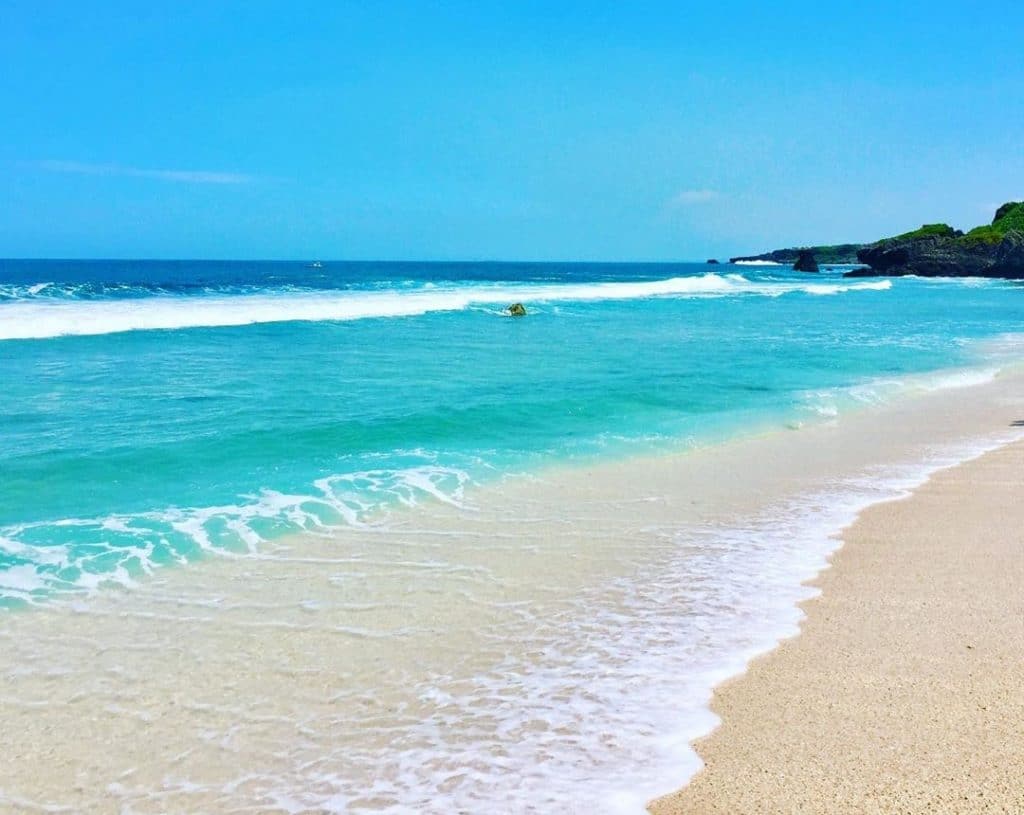
📍Black Dwarf Cave Scenic Area
Many legends surround this cave. Story has it that when Koxinga recovered Taiwan and the Penghu Islands and drove out the Dutch, a small number of Black slaves were left behind here and took shelter in the cave. During the Qing dynasty, the stone tables, stone chairs, stone beds and stone bowls inside were said to still be there, and silverware and jewelry were occasionally found. Today, however, the entrance has collapsed and the cave can no longer be entered. The Liuqiu Township Office developed the area into a scenic spot, building attractions such as Ganquan Spring, Bitao Pavilion, Yi Bridge, Lie Pond, Youqing Valley, Bieyoutian and Haoran Pavilion.
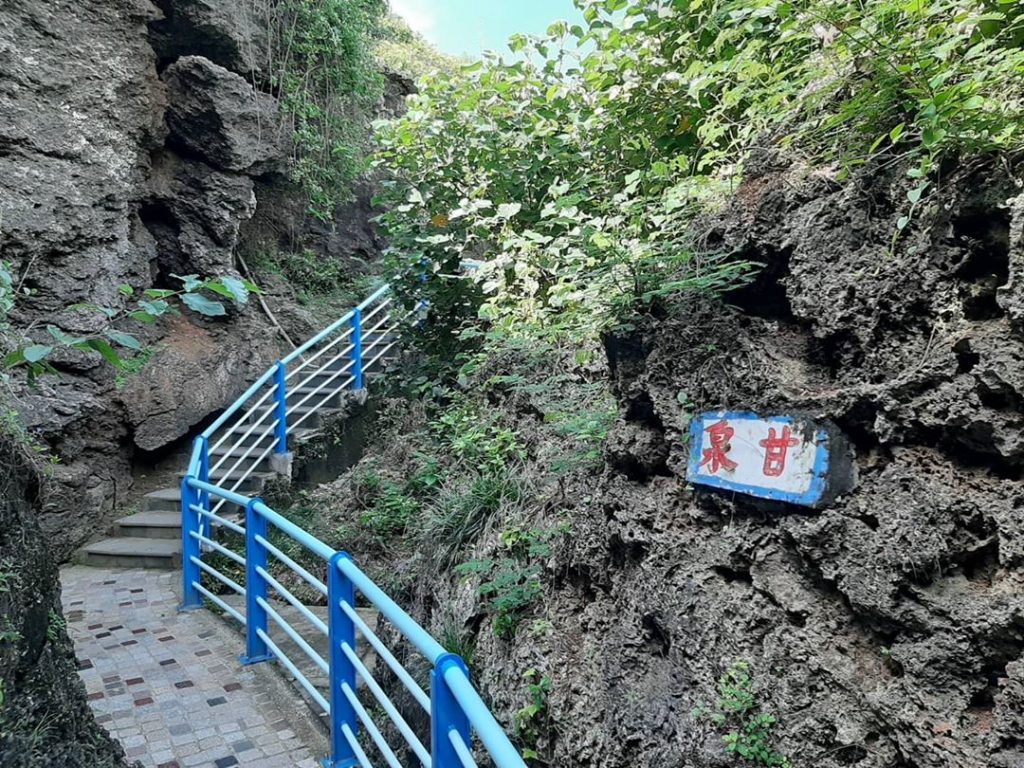
📍Sunset Pavilion
Sunset Pavilion sits on the west side of Xiaoliuqiu facing the Taiwan Strait, making it a great spot to watch the sunset on the island. At dusk, the fiery red sun sinks slowly below the surface of the sea in a truly stunning scene.
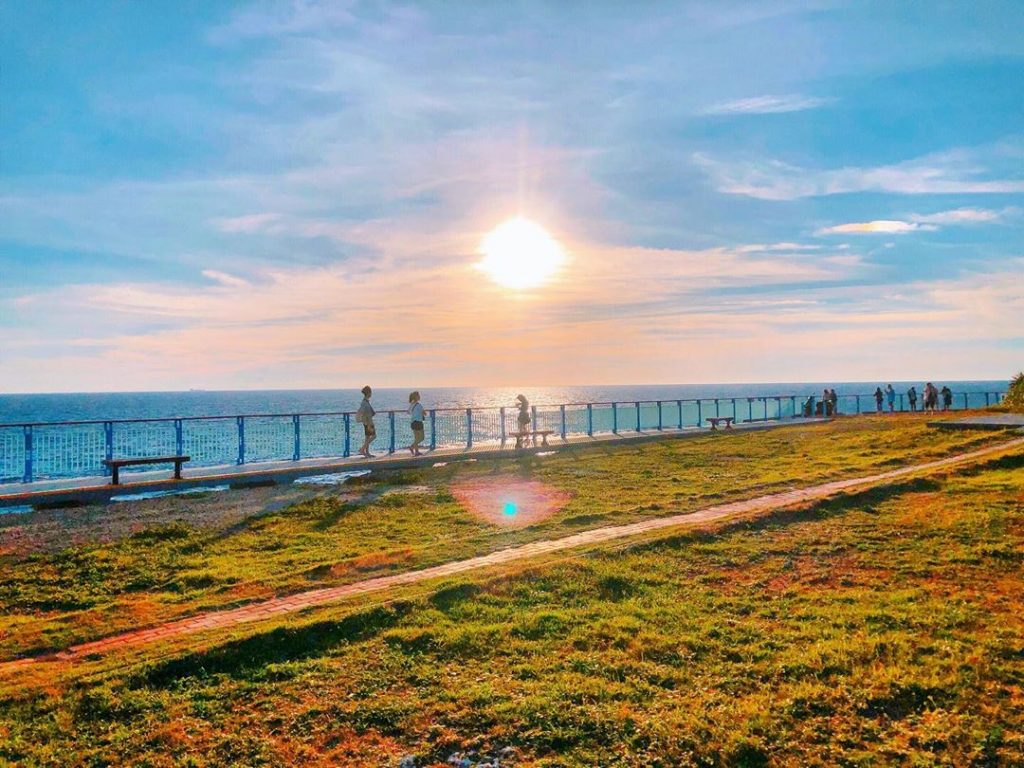
📍Houshi Bay | Secret Beach
Houshi fishing bay is just a short way from the Houshi Fringing Reef
Once you pass the reef, keep an eye on the direction of the coast
and you’ll spot a small path
This crescent-shaped beach tucked among the reefs
is the Secret Beach
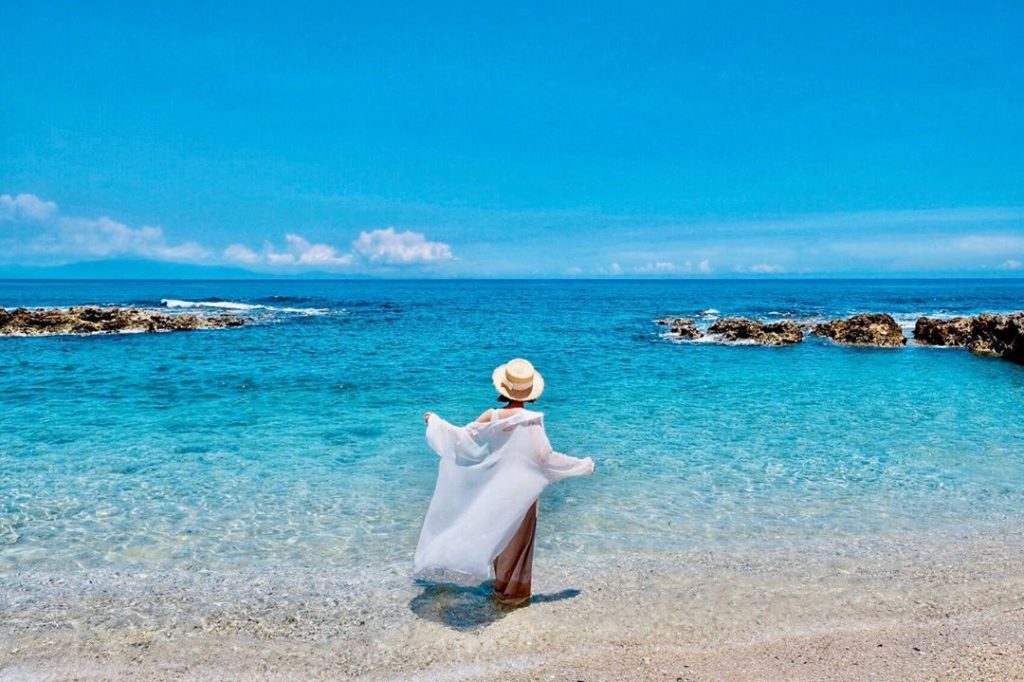
📍Houshi Fringing Reef
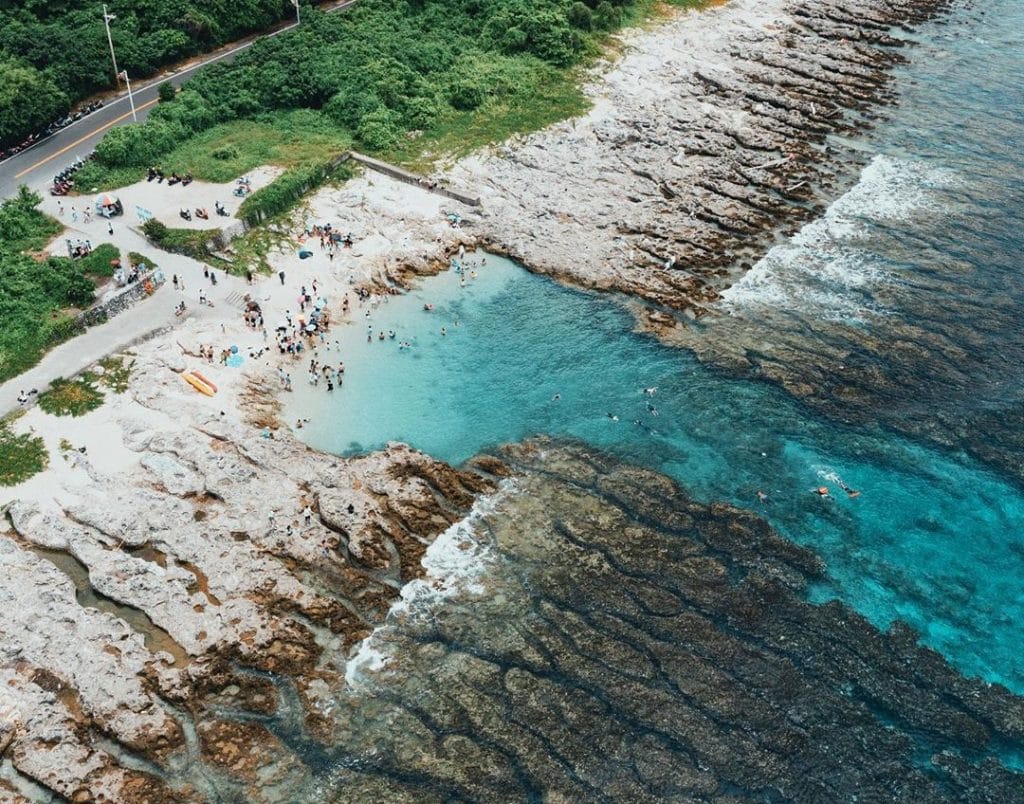
The Houshi fringing reef stretches mainly along the southeast side of Xiaoliuqiu, where unbroken coral fringing reefs line the shore. Inside the reef is a large, flat wave-cut platform; eroded by seawater, the entire platform is uneven and bristling with jagged rocks.
Because the fringing reef has not been developed, the landscape remains largely intact, and its location right by the road draws many visitors who stop to take in the view.
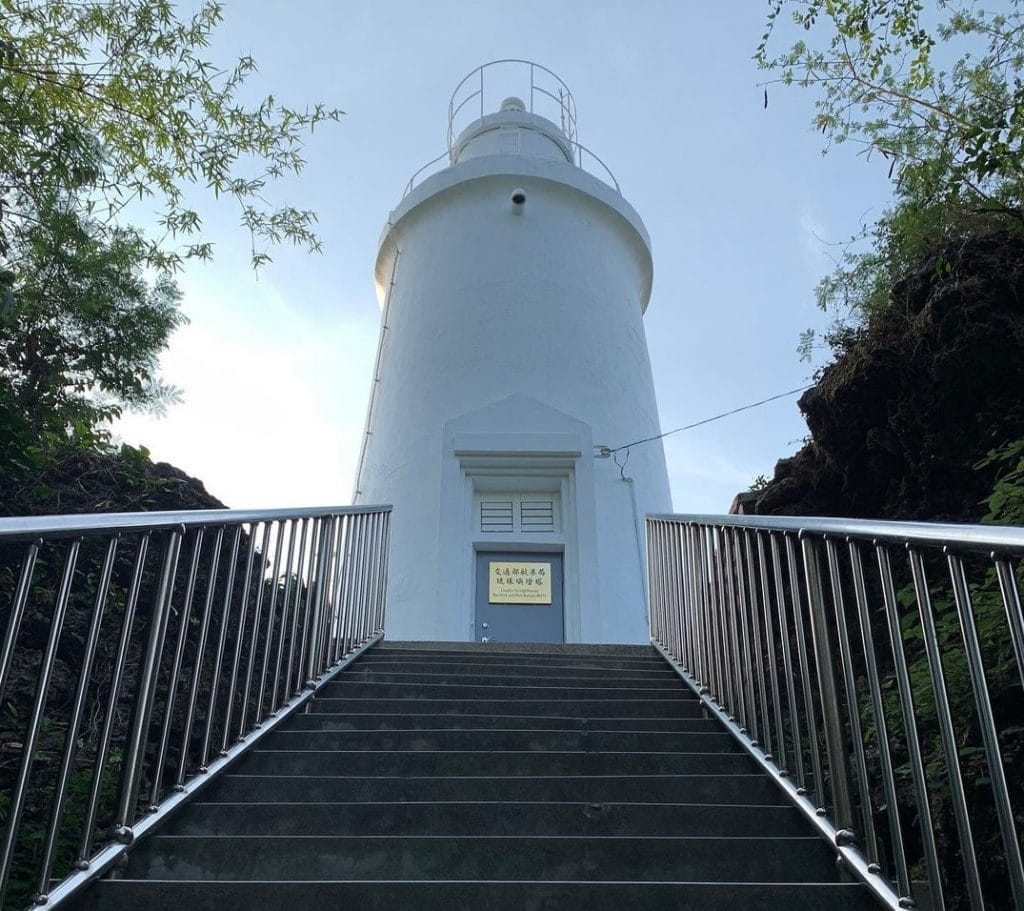
📍White Lighthouse
Xiaoliuqiu has two lighthouses. One stands at Baishawei Harbor and serves as the main marker for boats approaching the island and entering the port. The other sits atop Jianshan Mountain in the southeast of the island; an international lighthouse built during the Japanese colonial era, it is a round white concrete tower whose beam reaches far out to sea, bright as daylight, flashing automatically day and night. Like the Eluanbi Lighthouse, it guides ships traveling between the Taiwan Strait and the Bashi Channel and serves as a navigational reference for fishing boats, making it an international lighthouse as well.
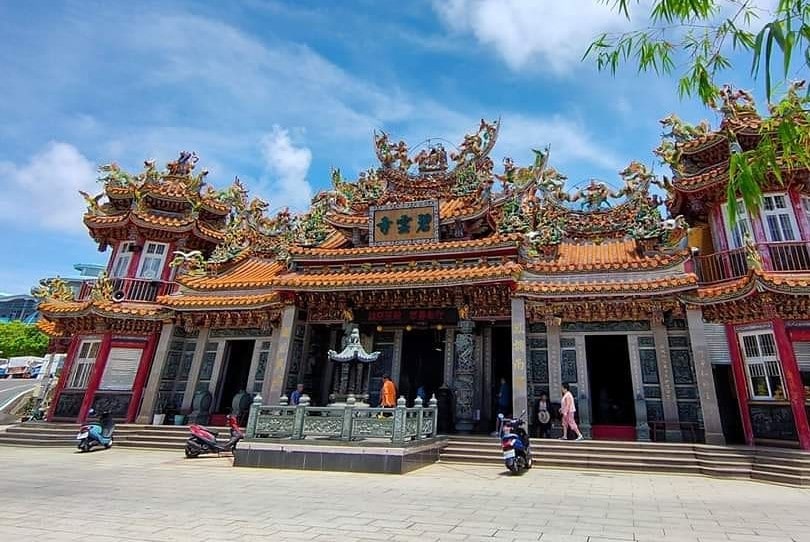
📍Biyun Temple
Biyun Temple stands on the hilltop of Daliao Village, at the center of Xiaoliuqiu, and is dedicated to Guanyin. Whether it’s a wedding or a funeral, a question about love, an illness or a prayer for a full catch, Xiaoliuqiu residents come here to draw divination sticks and seek guidance, making it the island’s most important place of faith. Locals say the divinations are remarkably accurate, which is why the temple is always busy with worshippers.
Getting around Xiaoliuqiu
The roads on Xiaoliuqiu are simple and easy to follow, and most visitors get around by scooter
But the weather is hot and it rains often
so if you’re traveling with older family members or young children
a car is a better way to get around
so sun and rain don’t leave you uncomfortable or throw off your plans
Rent a car on Xiaoliuqiu — enter your rental dates below to check availability now
Looking to rent a car?
Head to gogoout
Worried about spending hours trying to decide which rental company to book with?
Vague vehicle details and unclear insurance terms keeping you from choosing a shop?
👇Compare options right now👇
This article was translated by AI from the original Chinese version.